
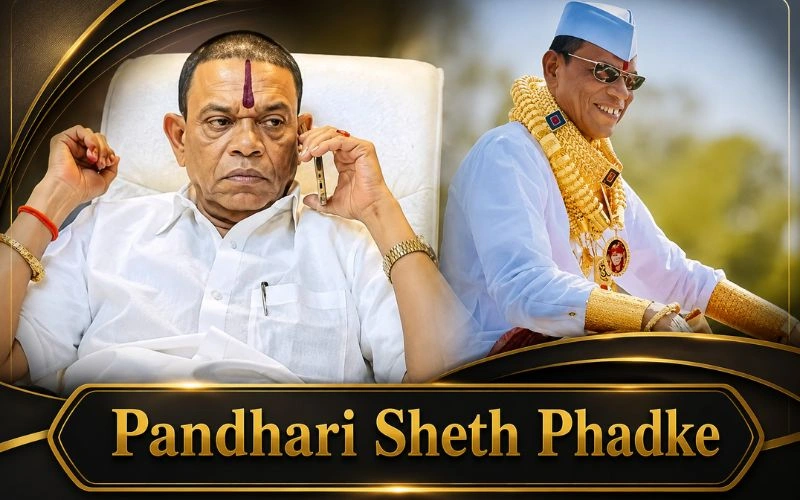
Quick Answer: Pandhari Sheth Phadke was a famous Maharashtra-based businessman and bullock cart racing enthusiast, popularly known as “Goldman.” He became widely recognized for his love of Bailgada Sharyat and his distinctive style of wearing heavy gold jewelry. He played an important role in promoting Maharashtra’s rural sporting culture and traditions. Pandhari Sheth Phadke passed away in February 2024 after a heart attack, leaving behind a memorable legacy.
Disclaimer: The information provided about Pandhari Sheth Phadke is based on publicly available sources and may contain details that are not independently verified. Personal information, financial details, and other biographical facts should be treated as approximate unless confirmed by reliable sources. This article is intended for informational purposes only.
Quick Facts & At a Glance Table
| Detail | Information |
|---|---|
| Full Name | Pandharinath “Pandhari Sheth” Phadke |
| Popular Name | Pandhari Sheth Phadke |
| Nickname | Goldman |
| Date of Birth | Not publicly disclosed |
| Age (2026) | Deceased (February 2024) |
| Nationality | Indian |
| State/Region | Maharashtra, India |
| Religion | Hindu |
| Primary Language | Marathi |
| Profession/Occupation | Businessman & Bullock Cart Racing Enthusiast |
| Famous For | Promoting traditional Bailgada Sharyat (Bullock Cart Racing) |
| Known As | Cultural Heritage Advocate, Goldman |
| Education | Details not publicly available |
| Family | Private details not disclosed |
| Height | Not verified |
| Net Worth | Not officially verified |
| Key Achievement | Preserving Maharashtra’s rural sporting traditions |
| Death Date | February 2024 |
| Cause of Death | Heart attack |
| Legacy | Advocate for traditional bullock cart racing and rural culture |
Who Is Pandhari Sheth Phadke?
Pandhari Sheth Phadke was a prominent businessman and cultural enthusiast from Maharashtra who became an iconic figure in India’s traditional bullock cart racing community. Unlike celebrities who achieved fame through films or politics, Pandhari Sheth Phadke built his reputation through grassroots involvement, community engagement, and his passionate advocacy for Bailgada Sharyat, one of Maharashtra’s oldest and most cherished rural sporting traditions.
His popularity skyrocketed when social media platforms amplified his unique persona. Videos and photographs of him attending racing events, adorned with multiple gold chains, bracelets, and rings, went viral across Maharashtra. This distinctive style earned him the affectionate nickname “Goldman,” which became synonymous with his identity. Despite his increasing fame, Pandhari Sheth Phadke remained deeply rooted in rural communities, using his platform to advocate for the preservation of traditional sports and cultural heritage.
Early Life & Background
Origins and Family Background
Very limited public information exists regarding the early life of Pandhari Sheth Phadke. Unlike modern celebrities who extensively document their personal histories, he chose to maintain privacy regarding his formative years. However, available sources suggest that he originated from Maharashtra and grew up in an environment deeply connected to agricultural traditions, village life, and rural sporting culture.
| Aspect | Details |
|---|---|
| Birthplace | Maharashtra, India |
| Family Background | Connected to agricultural and rural communities |
| Early Influence | Rural traditions and village culture |
| Childhood Environment | Agricultural setting with strong cultural roots |
| Family Support | Reportedly encouraged his passion for traditional sports |
| Educational Background | Details not publicly documented |
Development of Passion for Rural Sports
Growing up in Maharashtra’s rural heartland, Pandhari Sheth Phadke developed an early fascination with bullock cart racing. This ancient sport represented much more than entertainment—it symbolized agricultural heritage, community bonding, and cultural continuity. The experiences of his childhood, surrounded by farmers, bullocks, and traditional celebrations, shaped his lifelong dedication to preserving these customs.
His upbringing instilled in him the values of community service, cultural pride, and the importance of maintaining traditions in an increasingly modernized world. These foundational beliefs propelled him toward becoming one of Bailgada Sharyat’s most dedicated advocates in contemporary times.
Understanding Bailgada Sharyat: Maharashtra’s Bullock Cart Racing
What Is Bailgada Sharyat?
Bailgada Sharyat, also known as bullock cart racing, is Maharashtra’s traditional rural sporting competition that dates back generations. The term “Bail” refers to bullocks (castrated bulls), while “Gada” means race. This sport involves decorated, elaborately adorned bullocks pulling wooden carts in competitive races, primarily held during rural festivals, agricultural celebrations, and community fairs.
The sport transcends mere competition—it represents agricultural heritage, animal husbandry excellence, teamwork, and village pride. Races typically occur during harvest seasons or major festivals when rural communities gather to celebrate their farming traditions and cultural identity.
Cultural and Historical Significance
Bailgada Sharyat holds profound significance in Maharashtra’s cultural tapestry:
- Agricultural Heritage: Celebrates the bond between farmers and their bullocks
- Community Bonding: Brings entire villages together for celebration and competition
- Traditional Knowledge: Demonstrates livestock care and management practices
- Economic Activity: Supports local vendors, organizers, and artisans
- Social Identity: Reinforces rural pride and cultural continuity
- Youth Engagement: Provides platforms for younger generations to connect with heritage
Legal and Contemporary Challenges
Over recent decades, bullock cart racing has faced significant challenges. Animal welfare regulations, urbanization, and changing rural economies threatened the continuation of this ancient tradition. Despite these obstacles, passionate individuals like Pandhari Sheth Phadke fought tirelessly to preserve and promote Bailgada Sharyat, ensuring that future generations could experience this vital aspect of Maharashtra’s cultural heritage.
Why Was Pandhari Sheth Phadke Called “Goldman”?
The Origin of the Legendary Nickname
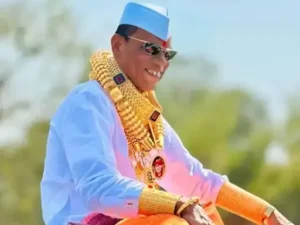
The nickname “Goldman” became Pandhari Sheth Phadke’s most distinctive identifier, instantly recognizable across Maharashtra’s rural communities and social media platforms. This unusual moniker originated from his highly visible and consistent fashion choice—wearing substantial quantities of gold ornaments during public appearances.
The Gold Ornaments Connection
Pandhari Sheth Phadke became famous for his distinctive appearance at bullock cart racing events. He regularly wore:
- Multiple heavy gold chains around his neck
- Numerous gold bracelets on both wrists
- Multiple gold rings on nearly every finger
- Gold lockets and pendants
- Other precious metal ornaments and jewelry
This striking sartorial style made him instantly recognizable at racing events and festivals. Whether intentional or organic, the combination of his enthusiastic personality and distinctive appearance led people to affectionately refer to him as “Goldman.”
The Cultural Significance of the Nickname
The nickname “Goldman” transcended being merely a humorous label. It became a symbol of his personality—vibrant, visible, unapologetic, and memorable. In Indian culture, where jewelry often represents auspiciousness, wealth, and celebration, Pandhari Sheth Phadke wore his gold not as a status symbol but as an expression of joy and cultural celebration.
Career Journey and Public Influence
Rise in Bullock Cart Racing Community
Pandhari Sheth Phadke’s career wasn’t built on corporate boardrooms or professional sports hierarchies. Instead, it developed organically through genuine passion and community involvement. He emerged as a prominent figure in Bailgada Sharyat circles through:
- Active participation in organizing racing events
- Financial support for participating teams and racers
- Mentoring younger enthusiasts
- Attending virtually every major bullock cart racing event across Maharashtra
- Leveraging his personal connections to strengthen community bonds
Emergence as Cultural Ambassador
By the 2010s, Pandhari Sheth Phadke had established himself as an unofficial ambassador for Maharashtra’s traditional bullock cart racing culture. He wasn’t appointed to any formal position, yet communities and organizers recognized his commitment and sought his participation. His presence at events attracted crowds, enhanced celebrations, and added legitimacy to efforts aimed at preserving Bailgada Sharyat.
Social Media Phenomenon
The advent of social media transformed Pandhari Sheth Phadke’s local influence into a regional phenomenon. Videos and photographs capturing him at racing events began circulating on platforms like Facebook, WhatsApp, and Instagram. His unique appearance, coupled with his genuine enthusiasm, resonated with audiences far beyond Maharashtra’s rural districts.
Pandhari Sheth Phadke understood the power of social media in promoting cultural awareness. While he didn’t actively manage social media accounts, his admirers and supporters created numerous pages and shared content featuring him. This organic digital presence introduced Bailgada Sharyat and rural Maharashtra to younger, urban-based audiences who might never have encountered these traditions otherwise.
Major Achievements and Contributions
1. Preservation of Cultural Heritage
Pandhari Sheth Phadke’s most significant achievement was his role in preserving Maharashtra’s bullock cart racing tradition during a period when the sport faced existential threats. His advocacy helped:
- Maintain public interest in Bailgada Sharyat
- Encourage responsible organization of racing events
- Support traditional organizers and participants
- Bring visibility to rural sporting culture
2. Community Leadership
As a respected community leader, Pandhari Sheth Phadke facilitated connections between:
- Racing organizers and local government officials
- Urban supporters and rural communities
- Traditional practitioners and younger generations
- Media outlets and cultural enthusiasts
His bridge-building efforts helped create a sustainable ecosystem for bullock cart racing to continue flourishing.
3. Social Media Advocacy
Pandhari Sheth Phadke inadvertently became one of India’s most effective advocates for traditional sports through social media. His authentic presence on digital platforms:
- Introduced Bailgada Sharyat to millions of new audiences
- Created awareness about rural cultural practices
- Inspired urban professionals to reconnect with their roots
- Demonstrated that traditional culture remained vibrant and relevant
4. Mentorship and Inspiration
Throughout his life, Pandhari Sheth Phadke inspired younger enthusiasts to embrace their cultural heritage. His example showed that success wasn’t limited to urban, corporate settings—cultural preservation and community service provided equally fulfilling paths.
| Achievement | Impact | Significance |
|---|---|---|
| Cultural Advocacy | Preserved Bailgada Sharyat traditions | Ensured continuity of rural sports heritage |
| Community Leadership | United racing enthusiasts and organizers | Strengthened community bonds and cooperation |
| Social Media Presence | Reached millions of digital audiences | Introduced traditional culture to urban populations |
| Mentorship | Inspired younger generation of enthusiasts | Created sustainable future for traditional sports |
| Public Engagement | Active participation in community events | Demonstrated personal commitment to heritage preservation |
Personal Life and Public Persona
Public vs. Private Life
Pandhari Sheth Phadke maintained a clear distinction between his very public cultural work and his private personal life. Unlike modern celebrities who extensively share personal details, he chose to keep most family, educational, and intimate information confidential. This privacy actually enhanced his mystique and kept focus on his cultural advocacy rather than personal sensationalism.
Personality Traits
People who knew Pandhari Sheth Phadke consistently described him as:
- Enthusiastic and energetic at social gatherings
- Generous in supporting community initiatives
- Humble despite his growing fame
- Deeply rooted in traditional values
- Passionate about Maharashtra’s cultural heritage
- Friendly and approachable with all community members
- Dedicated to preserving rural sporting traditions
Lifestyle and Appearance
His distinctive appearance became his trademark. The multiple gold ornaments weren’t affectations—they reflected his personality: vibrant, visible, and unapologetic about celebrating life and culture. Pandhari Sheth Phadke dressed deliberately for community events, understanding that his appearance communicated his enthusiasm and commitment to the traditions he championed.
Pandhari Sheth Phadke’s Net Worth
Verified Financial Information
Pandhari Sheth Phadke’s exact net worth has never been officially disclosed or verified by credible financial institutions. Unlike corporate executives or mainstream celebrities, he didn’t release financial statements or allow media scrutiny of his personal wealth.
Based on available information, Pandhari Sheth Phadke appeared to be a successful businessman with substantial financial resources. His ability to:
- Sponsor racing events extensively
- Wear considerable quantities of gold jewelry
- Maintain an active lifestyle across multiple rural districts
- Support community initiatives generously
These factors suggest comfortable financial circumstances, though precise figures remain unknown.
Disclaimer on Net Worth Claims
Any specific Pandhari Sheth Phadke net worth figures circulating online should be treated as unverified estimates or speculation. Without official documentation or credible sources confirming exact amounts, responsible reporting requires acknowledging this limitation. His wealth, whatever its amount, clearly exceeded average rural incomes, but the specific quantum remains his private information.
Death and Legacy
Passing in February 2024
Pandhari Sheth Phadke passed away in February 2024 following a heart attack. News of his death shocked the Maharashtra bullock cart racing community and many admirers across the state who had grown attached to his vibrant personality and cultural advocacy.
His passing marked the loss of one of Bailgada Sharyat’s most dedicated contemporary advocates. The racing community and rural groups expressed deep condolences through social media, traditional gatherings, and informal ceremonies honoring his contributions.
Impact on the Community
Pandhari Sheth Phadke’s death left a noticeable void in Maharashtra’s cultural landscape. Many racing events struggled to attract crowds with the same enthusiasm, highlighting his role as a community unifier and attraction.
However, his legacy inspired others to continue the work he championed—promoting traditional sports, preserving rural culture, and keeping Bailgada Sharyat alive for future generations.
Lasting Influence (2026 Perspective)
As of 2026, Pandhari Sheth Phadke remains remembered fondly across Maharashtra. Social media continues to share videos and photographs of him at racing events. His name has become synonymous with contemporary efforts to preserve rural cultural traditions, and young enthusiasts often reference his example when advocating for bullock cart racing preservation.
Influence and Cultural Impact
Changing Perceptions of Rural Sports
Before Pandhari Sheth Phadke gained prominence, many urban Indians viewed rural sports like Bailgada Sharyat as outdated remnants of an agricultural past. His presence and advocacy helped shift these perceptions, demonstrating that traditional sports carried genuine cultural value worthy of celebration and preservation.
Bridging Urban-Rural Divides
Pandhari Sheth Phadke inadvertently became a bridge between urban and rural India. Urban professionals who encountered him through social media developed renewed interest in traditional culture. This reconnection benefited rural communities by increasing support for cultural preservation initiatives.
Media Representation
His prominence led to increased media coverage of bullock cart racing in both Marathi and English-language outlets. Journalists recognized that Pandhari Sheth Phadke embodied a compelling narrative—genuine cultural preservation amidst modernization—that resonated with contemporary audiences.
Youth Engagement with Heritage
Perhaps Pandhari Sheth Phadke’s most important influence involved youth engagement. Young people who discovered his story through social media developed newfound appreciation for traditional rural culture. His example demonstrated that heritage preservation wasn’t dull or backward-looking—it was vibrant, contemporary, and personally fulfilling.
Timeline of Major Events in Pandhari Sheth Phadke’s Life
| Period | Event | Details |
|---|---|---|
| Early Years | Interest in Rural Traditions | Grew up in Maharashtra connected to agricultural heritage and bullock cart racing culture |
| Middle Years | Active Community Involvement | Became prominently associated with organizing and supporting Bailgada Sharyat events |
| Social Media Era | Rise to Regional Fame | Videos and photographs of him went viral, earning the nickname “Goldman” |
| Peak Influence (2015-2024) | Cultural Ambassador Status | Recognized as leading contemporary advocate for bullock cart racing and rural sports preservation |
| 2024 | Death in February | Passed away following a heart attack, deeply mourned by Bailgada Sharyat community |
| 2024-2026 | Legacy Continuation | Social media and community efforts continue celebrating his life and cultural contributions |
Recent Updates and 2026 Context
Continuing Legacy
In 2026, Pandhari Sheth Phadke remains a frequently referenced figure when discussing bullock cart racing preservation. Social media pages dedicated to his memory continue accumulating thousands of followers, primarily from rural Maharashtra.
Impact on Racing Events
Bailgada Sharyat events held since his death have increasingly included tributes to his memory. Some organizers have named trophies or events after him, ensuring his name remains connected to the sport he championed throughout his life.
Digital Memorialization
Online communities dedicated to Pandhari Sheth Phadke share archival videos and photographs, ensuring younger generations encounter his example. These digital spaces serve as informal museums preserving his legacy and the cultural history he represented.
Future of Rural Sports
Advocates for rural cultural preservation often invoke Pandhari Sheth Phadke’s example when arguing for policy changes, funding, and institutional support. His life demonstrated that individual dedication could significantly impact cultural preservation efforts, even without formal governmental backing.
Conclusion
Pandhari Sheth Phadke, known affectionately as “Goldman,” represents a fascinating case study in organic community leadership and cultural advocacy in the digital age. His life demonstrated that fame and influence could emerge not through traditional pathways of politics, cinema, or corporate success, but through genuine passion for cultural preservation and authentic community engagement.
Pandhari Sheth Phadke transformed himself from a local enthusiast into Maharashtra’s most recognizable contemporary figure associated with Bailgada Sharyat. His distinctive appearance, particularly his trademark gold ornaments, made him instantly recognizable—but his true significance lay in his unwavering commitment to preserving bullock cart racing traditions during a critical period when these cultural practices faced extinction.
His unexpected passing in February 2024 deeply affected not only his immediate community but also millions of social media followers who had come to see him as an embodiment of authentic cultural pride. Yet his legacy endures—through the continued enthusiasm for Bailgada Sharyat, through the young people inspired by his example, and through the ongoing digital preservation of his memory.
Pandhari Sheth Phadke’s life teaches important lessons about the power of individual dedication, the value of cultural traditions, and the unexpected ways that authentic passion can influence millions through modern technology. As Maharashtra continues modernizing, figures like him remind us that progress and tradition need not be mutually exclusive—instead, they can coexist, enriching our collective heritage.
Frequently Asked Questions (FAQs)
1. Who is Pandhari Sheth Phadke?
Pandhari Sheth Phadke was a prominent businessman and cultural advocate from Maharashtra who became legendary for his passionate support of Bailgada Sharyat (traditional bullock cart racing). Known affectionately as “Goldman” due to his distinctive gold ornaments, he transformed from a local enthusiast into a regional cultural icon, using his influence to preserve and promote one of Maharashtra’s most important rural sporting traditions. His genuine enthusiasm and vibrant personality made him instantly recognizable across rural communities and eventually on social media platforms.
2. Why was Pandhari Sheth Phadke called “Goldman”?
Pandhari Sheth Phadke earned the nickname “Goldman” because he consistently wore substantial quantities of gold jewelry—multiple gold chains, bracelets, rings, lockets, and other ornaments—during public appearances at racing events. This distinctive sartorial choice made him instantly recognizable and the affectionate nickname became so popular that many people identified him more by “Goldman” than by his actual name. The nickname perfectly captured his vibrant, visible, and celebratory personality.
3. What is Bailgada Sharyat and why did Pandhari Sheth Phadke champion it?
Bailgada Sharyat is Maharashtra’s traditional bullock cart racing sport where decorated bullocks pull wooden carts in competitive races during agricultural celebrations and festivals. Pandhari Sheth Phadke championed this tradition because he believed it represented crucial aspects of Maharashtra’s cultural heritage—agricultural bonding, community unity, livestock care excellence, and rural pride. He devoted significant resources and his public platform to preserving Bailgada Sharyat during a period when modernization and legal restrictions threatened the sport’s survival.
4. What was Pandhari Sheth Phadke’s net worth?
Pandhari Sheth Phadke’s exact net worth has never been officially disclosed or verified. No credible financial institutions have published verified information about his wealth. While his ability to sponsor racing events, wear considerable gold jewelry, and maintain an active lifestyle suggests comfortable financial circumstances, any specific Pandhari Sheth Phadke net worth figures circulating online should be considered unverified estimates. He deliberately kept his personal financial information private.
5. When and how did Pandhari Sheth Phadke die?
Pandhari Sheth Phadke passed away in February 2024 following a heart attack. His death shocked the Maharashtra bullock cart racing community and admirers across the state. The racing community widely mourned his loss, recognizing that his passing removed one of Bailgada Sharyat’s most dedicated contemporary advocates. His death deeply affected social media communities that had grown attached to his vibrant personality and cultural advocacy.
6. What is Pandhari Sheth Phadke’s age and date of birth?
Pandhari Sheth Phadke intentionally kept his exact age and date of birth private throughout his life. Unlike modern celebrities who publicly document personal details, he maintained privacy regarding these biographical specifics. Consequently, his precise age and Pandhari Sheth Phadke date of birth remain unknown to the public. He passed away in February 2024, but his birth year was never officially disclosed.
7. How did Pandhari Sheth Phadke’s social media presence develop?
Pandhari Sheth Phadke‘s social media prominence developed organically rather than through intentional digital strategy. Videos and photographs of him at bullock cart racing events, capturing his distinctive gold-laden appearance and enthusiastic participation, were shared by supporters and admirers across Facebook, Instagram, and WhatsApp. These organic shares went viral within rural communities first, then gradually reached urban audiences. His authentic, unpolished digital presence resonated powerfully with audiences seeking genuine cultural connection.
Thank You: Thanks for reading! Want more inspiring stories? Check out our previous blog on Ashish Chanchlani Net Worth 2026: ₹40 Crore Wealth, YouTube Career, Income, Lifestyle & Success Story
